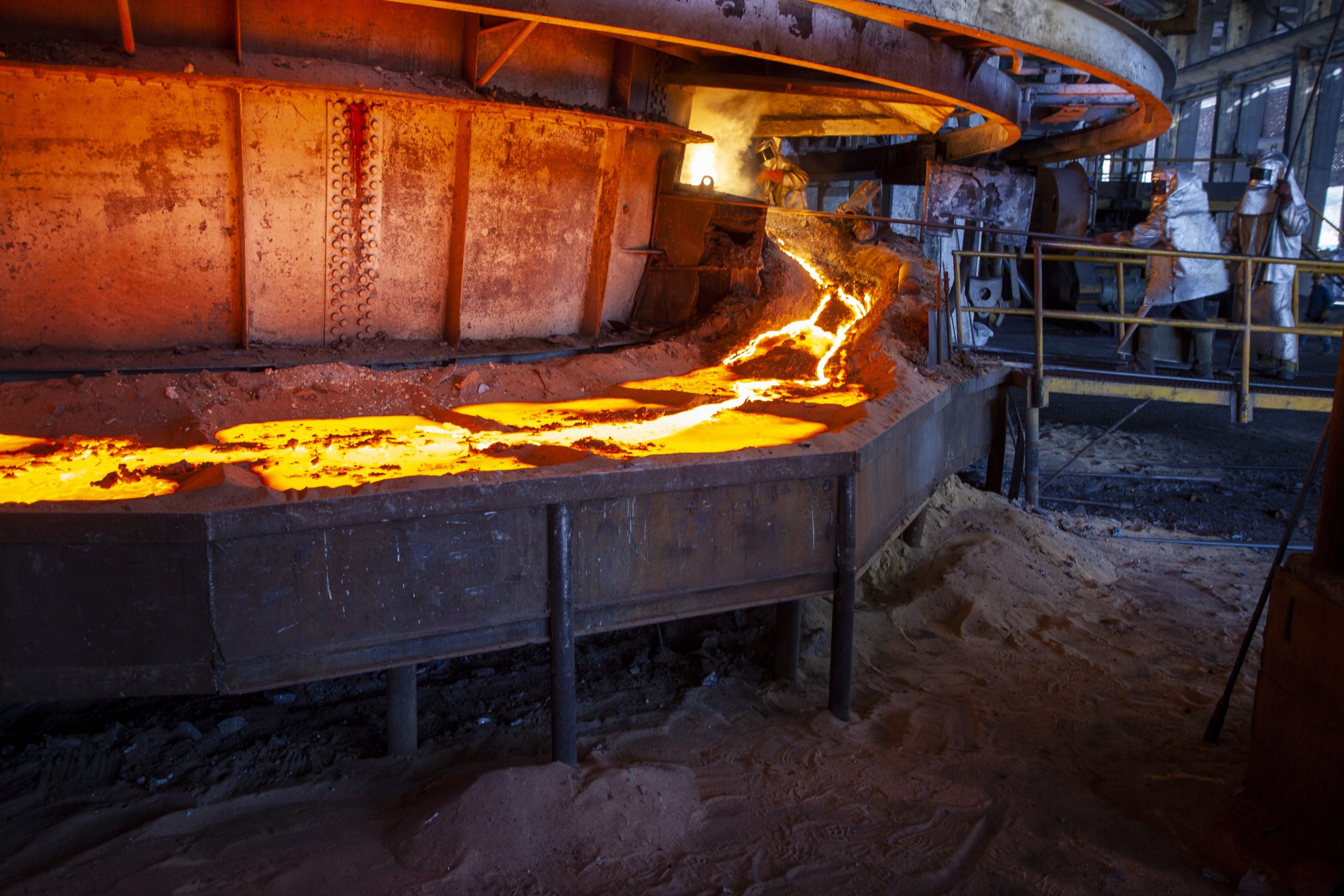
Boël family: a fortune of over 3 billion euros and an industrial heritage in Belgium
Boël family fortune
The story of the Boël family began in 1880 when Gustave Boël inherits the assets of his childless employer, Ernest Boucquéau. Among these assets was the Fafer steelworks (Fabrique de Fer de Charleroi), which became the cornerstone of the fortune Gustave accumulated over the decades. In 1997, the sale of Fafer to the French Usinor group brought the family 5 billion Belgian francs, or around 125 million euros. The Boël family fortune is estimated at over 3 billion euros.

Alongside the steel industry, the Boël family diversified their activities. They have a significant interest in the Sofina holding companywhich invests in a variety of sectors, including retail, with key partnerships such as that Colruyt and Carrefour (formerly GIB). Sofina plays a central role in the Boël empire, alongside a number of other holding companies.
Family Strategies
The Boel family's success rests on three pillars: careful management of their businesses, private resolution of family conflicts and strategic marriages with other wealthy families, all enhanced by extreme discretion. This choice of discreet living goes back several generations. For example, Marie-Anne Boël, on marrying Charles-Emmanuel Janssen, grandson by Ernest Solvay, makes Boël the third largest shareholder in the chemical multinational.

Strategic Weddings
Max Boël, another influential family member, married Anna Guinotte, Raoul Warocqué's sole heiress. Max inherited a large fortune, making him one of the richest Belgians around 1900. Pol Boël married Nicole Davignon, elder sister of Etienne Davignon, further adding to the family's influential network. Nicole's mother was also a lady-in-waiting to Queen Elizabeth.
Properties and assets
The Boël family owns an estate at Court-Saint-Etienne in Walloon Brabant, acquired by Gustave Boël in 1882. Textually, the estate comprises a château, parkland, 14 farms, forests and numerous houses, spread over 2200 hectares. In 1996, the total value of the estate was estimated at 45 million euros.

New Challenges and Controversies
Recently, a new generation of Boël has taken to the stage. Fifty-year-old Nicolas Boël has become president of Solvay in 2011. Contrary to the family tradition of discretion, some members of this new generation have granted interviews, perhaps signalling a greater openness.
Among the most controversial members is Delphine Boël, who claims that King Albert II is her biological father. After a long legal battle, she succeeded in obtaining official recognition in 2020. Delphine is now known as Delphine de Saxe-Cobourg, Princess of Belgium.

Family Relations Chart :
| Name | Relationship |
|---|---|
| Gustave Boël | Heir to the Fafer factory, founder of a fortune |
| Ernest Boucquéau | Gustave's employer, his legacy launched Boël |
| Marie-Anne Boël | Wife of Charles-Emmanuel Janssen |
| Max Boël | Husband of Anna Guinotte |
| Pol Boël | Husband of Nicole Davignon |
| Delphine Boël | Recognized daughter of Albert II |
| Nicolas Boël | Chairman of Solvay |
Properties and Value :
- Court-Saint-Etienne estate: 2200 hectares
- Estimated value in 1996: 45 million euros
The Boël family remains an influential force in Belgium, not only for its industrial heritage but also for its strategic alliances and sound financial management. The Boel family is one of Belgium's wealthiest, ranking in the TOP 5 with over 3 billion in assets.